Phragmites Australis or Common Reed is native to Australia. The roots can be eaten raw or cooked like potatoes. The flavour and texture are best when the root is young and in the growth cycle. It can be dried, ground coarsely and used as a porridge. Young shoots can be consumed raw, pickled, or cooked. They are best if used before the leaves form, when they are at their peak for taste. Shoots can be used like bamboo shoots. A sugary gum that exudes from the stem can be rolled into balls and eaten as a sweet. It has a somewhat sweet liquorice-like taste. A powder extracted from the dried stems can be moistened and roasted like marshmallow. In Japan, the young leaves are dried, ground, and mixed with cereal flour to make dumplings.
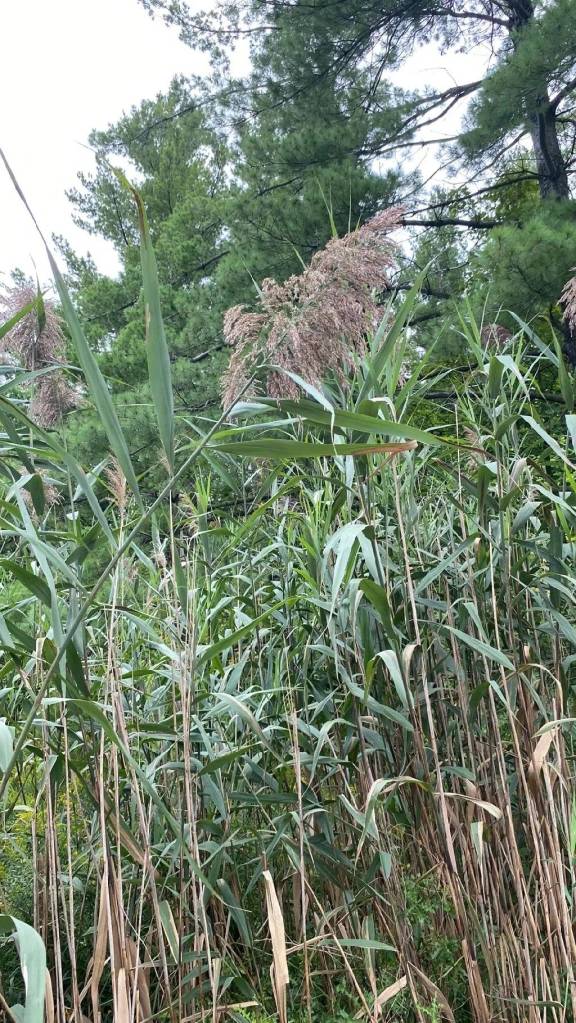
Key Uses of Common Reed:
- Construction & Building: Historically used for durable, long-lasting thatched roofs (can last 100 years), plaster support, insulation, and building huts or fences.
- Environmental & Industrial: Known for phytoremediation, they are used to treat sewage water, clean up contaminated soil, and stabilize banks against erosion.
- Crafts & Materials: Stems and leaves are used to weave mats, baskets, and screens. They are also used to make agricultural tools, fishing items (decoys), arrows, and even traditional pens.
- Food Source: Young shoots can be eaten raw, cooked, or pickled (similar to bamboo shoots), while rhizomes (roots) can be dried, ground into flour, or roasted, offering a sugary, starchy food source.
- Bioenergy: Dried stems are utilized for fuel and biomass production, acting as a sustainable energy source.
- Animal Use: Provides essential habitat, food, and shelter for birds, fish, and insects

